
NEWS & BLOG · October 18, 2026 · By Zhithera Studio
The question of whether waterless diffusers are worth it comes down to the value you get for the cost, rather than price alone. You pay more up front for hardware that uses oil directly with no water, and the real savings show up in oil use, runtime and how long the scent holds in your chosen room.
Electricity is the smallest line in that equation; our power and noise breakdown works through the yearly cost.
Running costs include oil, electricity and replacement cartridges. Oil consumption can be estimated separately for each setting. For the D1 waterless diffuser, oil use is estimated at 0.14 ml per hour on low intermittent and 0.87 ml per hour on medium, based on the brand's high-continuous benchmark of about 4.3 ml per hour. Those rates suggest one full 6.5 ml cartridge lasts about 46.5 hours on low, about 7.5 hours on medium, and about 1.5 hours on high continuous.
The low setting is the economical everyday choice, while high continuous exists to fill a space quickly rather than to run all day. Refillable cartridges let you swap scents without waste, and the cartridge and parts that touch oil use oil-resistant materials so pure oils can be used directly.
Both the D1 and D1 mini use waterless heat-free micro-mesh atomization, also described as micro-porous vibrating mesh atomization. There is no water to refill; the cartridge supplies oil to the mesh, which releases a fine mist. Waterless diffusion avoids the dilution and residue that water-based units create.
Ultrasonic models disperse a mixture of water and oil. Their tanks require regular refilling and cleaning. Reed diffusers release scent passively and need frequent reed flips and oil top ups to stay noticeable. Waterless units have no water tank, but oil droplets can still settle on nearby surfaces.
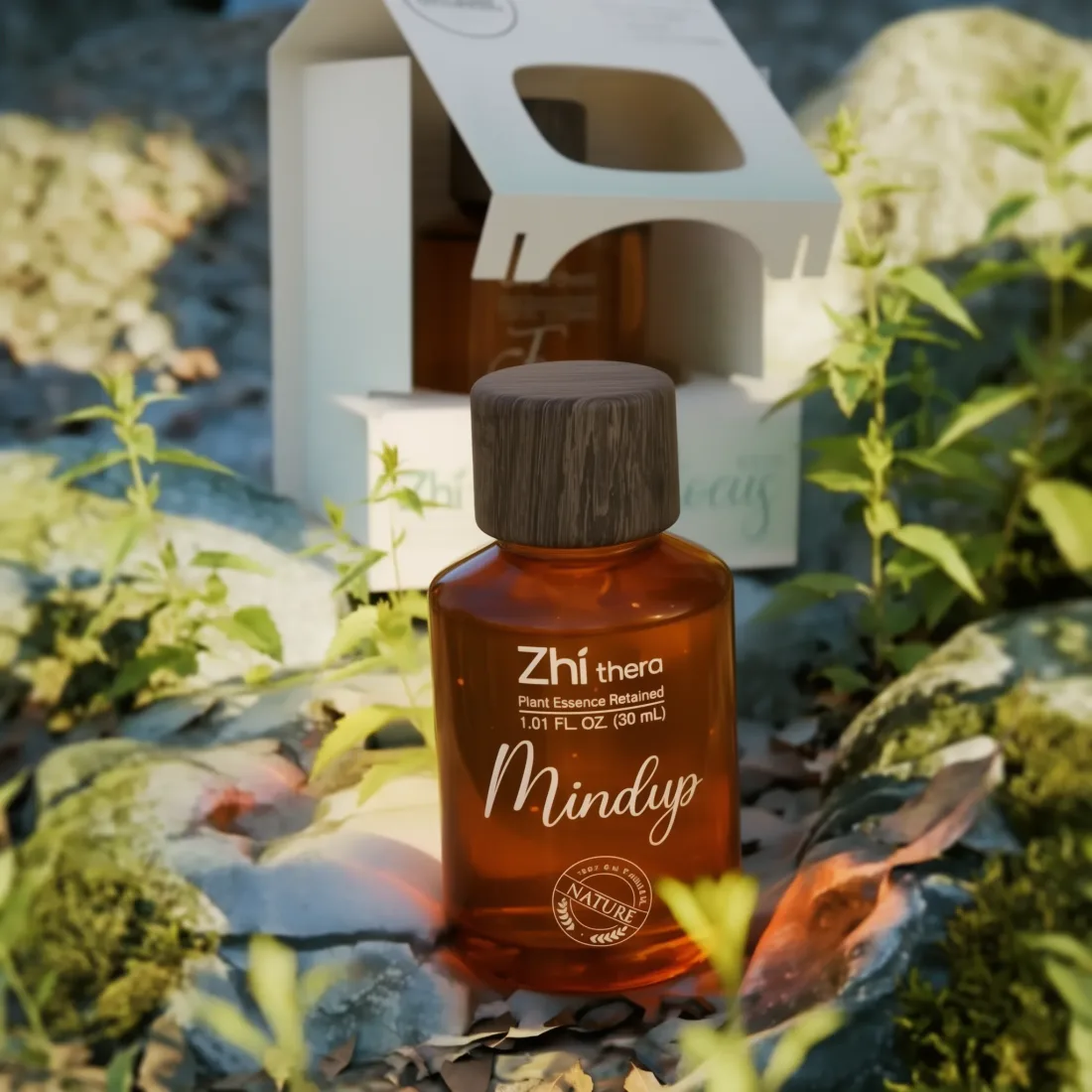
Value depends on matching output to space and oil type. Pure botanical essential oils vary in composition and in how quickly their aromas disperse and fade. They suit close-range use in small and mid-sized rooms. Designer fragrance oils hold longer, stay consistent between batches, and support larger rooms and hospitality use.
Use this practical guide for the D1:
People who scent small personal zones on a daily basis get the most immediate value. A desk, car or bedside setup benefits from intermittent misting and quick scent changes via a magnetic cartridge swap. The D1 mini has an engineering plastic body, uses the same cartridge as the D1, and offers a one-second magnetic cartridge swap and a magnetic in-car mount.
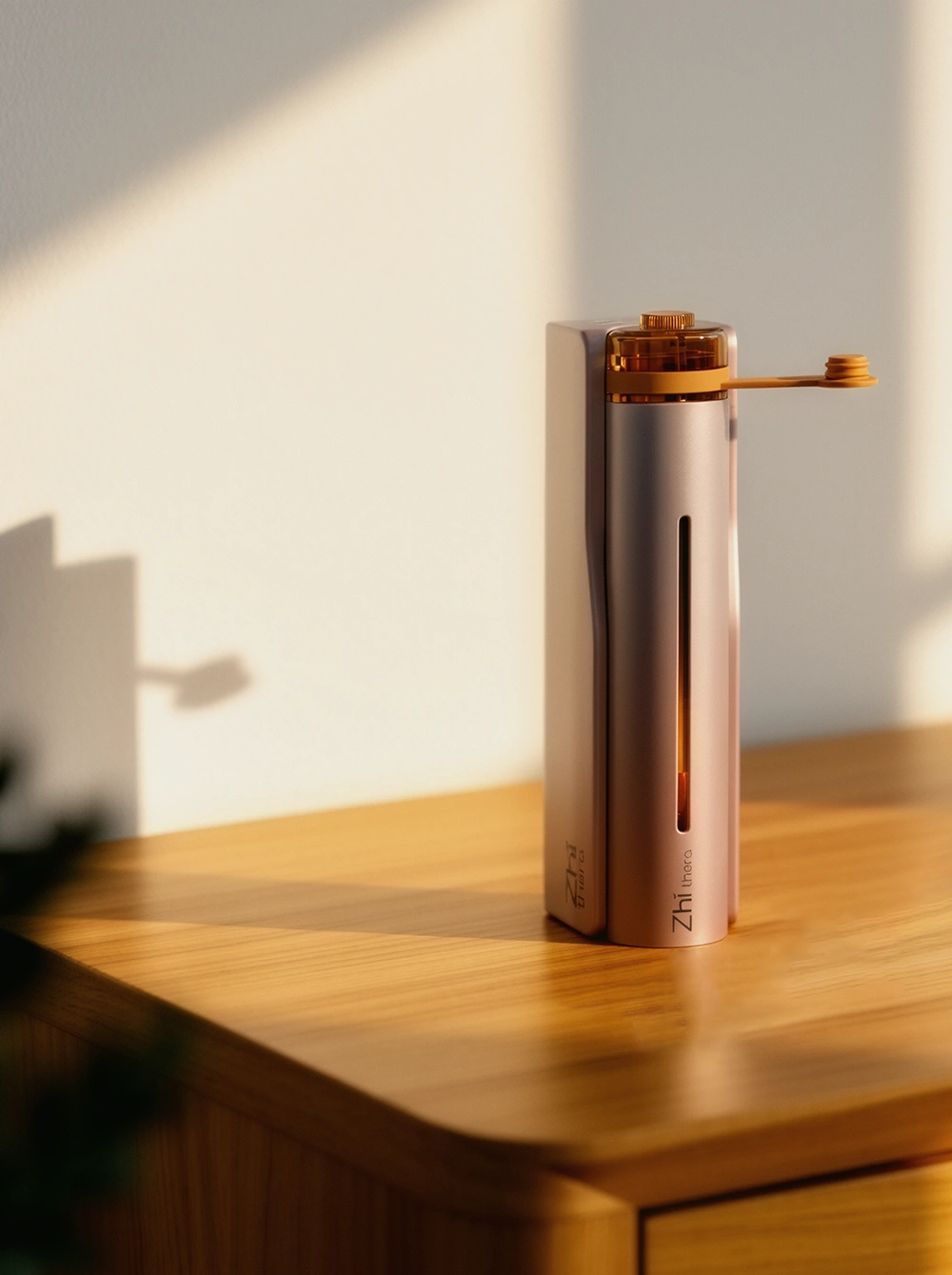
Hosts and small businesses value the ability to switch scent without cleaning a tank. The D1 waterless diffuser has a 6-series aircraft aluminum body and a refillable cartridge that can be swapped between scents. No water means no mineral buildup and no need to empty and rinse a reservoir between uses.
Upfront cost is higher than a basic ultrasonic or reed set, so assess the value through oil use, maintenance and the service life of the specific device. Actual oil use depends on the formula, output mode and session length. Compare each device's oil-use figures before estimating running costs. Fragrance oils are formulated to hold longer in larger spaces, while botanical essential oils are the small-and-close choice for bedrooms, studies, cars and reading corners.
Over time the cost per hour of scent is driven by how you run the unit. Low intermittent use stretches oil; high continuous use is for short bursts. The hardware is a durable good and the cartridge is a consumable that can be replaced as needed, which keeps mist output consistent without replacing the whole device.
Oil use depends on the output setting, and low intermittent use stretches a cartridge for many hours of use. Medium and high use more oil, but high is intended for short bursts to fill a space, not all-day operation.
Not necessarily. Service life depends on the device, maintenance and use. A waterless micro-mesh diffuser has no water tank to clean, but its cartridge and mesh are consumables that may need replacement.
Yes. A small bedroom is well served by low to medium output with a cartridge. Botanical essential oils give quick dispersion for close range, and fragrance oils give longer hold if you prefer a more persistent atmosphere.
For a balanced setup, the D1 waterless diffuser pairs with refillable cartridges and a mix of botanical essential oils and fragrance oils for different rooms and times of day.
Zhithera – A Professional Aromatherapy Delivery System Zhithera designs waterless, heat-free diffusers that atomize pure botanical essential oils and designer fragrance oils into a micron-fine mist using Advanced Micro-Mesh Atomization. Built for consistent, controllable aromatic states — focus, relaxation, recovery and restful ambiance — our range serves homes, offices, cars, spas, hotels and retail spaces worldwide. Every batch is traceable and supported by recognized third-party testing, with dependable wholesale and distribution support for partners around the globe.
Aromatherapy & Essential Oil Notice
Zhithera essential oils and fragrance oils are non-medical aromatic products intended for diffusion only. They are not intended to diagnose, treat, cure or prevent any disease or condition, and are not medical devices. Do not apply oils to skin or ingest them, and keep oils and devices out of reach of children and pets. Ensure good ventilation, and if you are pregnant, nursing or have a medical condition, please consult a qualified professional before use. Scent is experienced differently by everyone; discontinue use if any irritation occurs. We make no therapeutic, disinfecting or insect-repellent claims for any Zhithera product.